










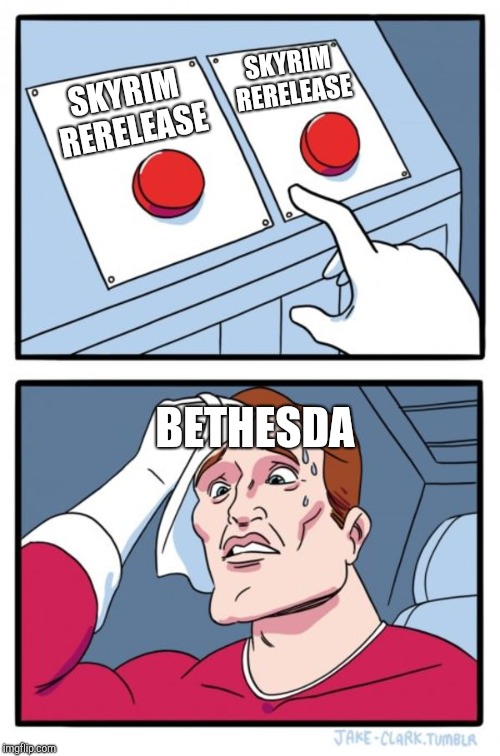
15 years after its release, Skyrim is now well established as a household name in open-world RPGs. It captured the zeitgeist in a way that few games ever have, and is so enduring that its many re-releases are subject to memes. Yet Skyrim is just one section of the great Tamriel continent, and during the seventh console generation, the series hit its stride with Oblivion, the fourth entry in the Elder Scrolls saga.
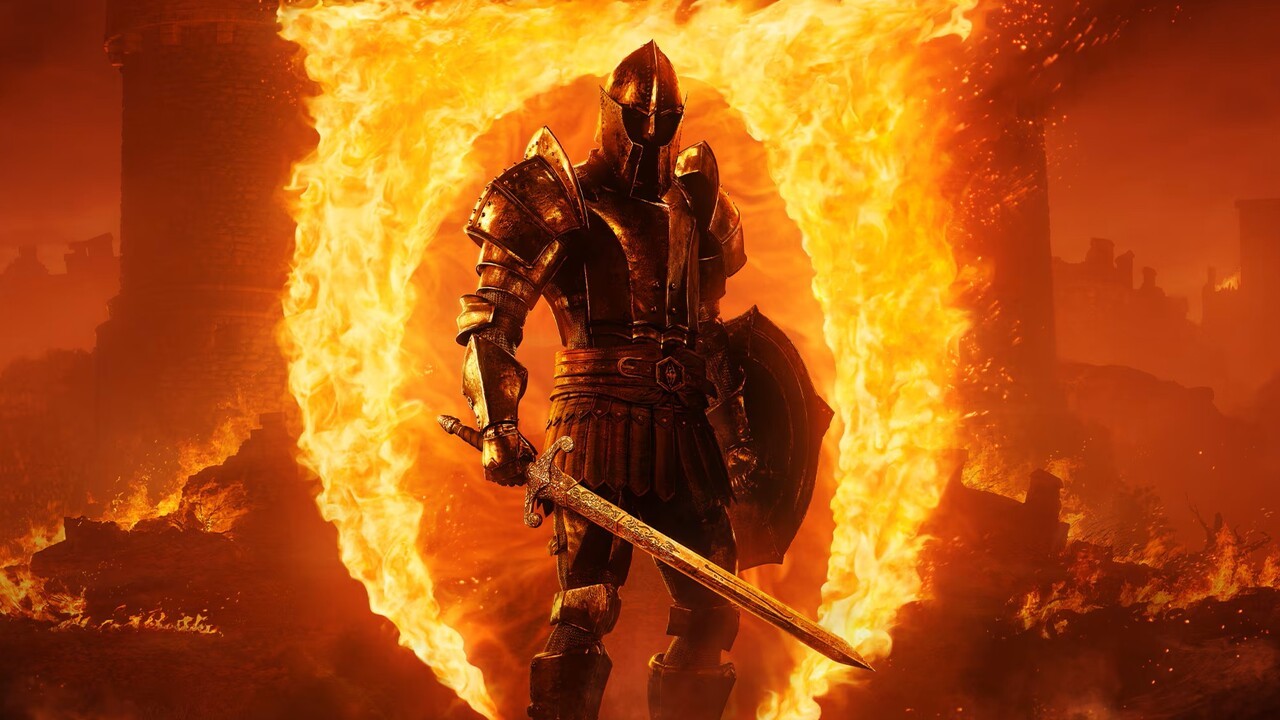
In place of wasteland tundra and skies filled with dragons, Cyrodiil offers sprawling countryside, shining imperial citadels, and burning portals into demonic realms. Oblivion Remastered gives the complete adventure a fresh lick of Unreal Engine 5 paint, offering a huge main quest alongside excellent expansions Knights Of The Nine and Shivering Isles.

It’s not just a visual remaster. Alongside fundamental changes like an updated map, levelling system, and UI, combat has some added flair. Weapon hits feel a bit more tactile with souped-up animations and everything feels much smoother in third-person mode.
There are many small tweaks that bring Oblivion a bit closer to Skyrim in look and feel, though it’s notable that these changes don’t dilute the experience for anyone coming back to Cyrodil for the umpteenth time. This is still very much the Oblivion you know and love, just a little more accessible to newcomers.
Oblivion boasts some of the best writing of any Elder Scrolls game and revisiting these quests was like wrapping up tight in a warm blanket. As is tradition, your created adventurer kicks off their journey in the bowels of a dungeon. There they meet Emperor Uriel Septim, who graces you with his Patrick Stewart-voiced portents before entrusting you with the Amulet of Kings and sending you off to find his heir.
Finding Martin Septim is just one task on a laundry list of quests that include closing Oblivion gates to quell the flood of Daedra into Cyrodiil. Along the way you’ll join the Blades at Cloud Ruler Temple, take part in multiple epic battles, and help Martin retake his throne and push back the Deadric tide.

If you don’t think saving the world is a priority, there are faction questlines. These aren’t just side tasks , each one is just as worthwhile and enjoyable as the main story. The Dark Brotherhood is usually the default strongest, but Elder Scrolls IV has a full suite of brilliant faction storylines to explore, each containing setpieces and individual quests that remain high watermarks for the series to this day.
The Dark Brotherhood’s ‘Whodunit?’ has you locked in a house with five of your victims and multiple ways to dispatch them, the Thieves Guild Elder Scroll heist is a compelling challenge that will test your stealth and cunning, while the Mage Guild’s attack on Mannimarco is an all-timer.
Then there’s the arena, the conquering of which rewards you with the annoying super fan NPC who’s become somewhat of a Bethesda mascot. There are myriad other tasks and diversions to discover as you travel the land, meeting NPCs who go about their daily business thanks to the once-revolutionary Radiant AI system. Cyrodiil felt like a living, breathing world in 2006, and the remaster preserves that in 2026.

The expansion content is remastered and woven into the open world. You can quest for a set of mystical armour in Knights of the Nine, or visit the Shivering Isles and its cackling ruler, Sheogorath. The latter expansion offers a huge extra map that adds another 40 hours to the already heaving length of the main questline. There’s always so much to do in a Bethesda RPG, and Oblivion nails that “just one more dungeon” feeling that has made the series such an enduring presence.
Thanks to the previously mentioned remaster tweaks, the game plays much the same as Skyrim. A learn-by-doing levelling approach means you’re free to cultivate any build you want by just focusing on your personal playstyle.
For me, that often results in either a claymore-wielding strength build or a stealthy magic archer, but at least the option for variation is there. The school of alteration is always tempting, with its focus on magic as utility, while conjuration has you summoning atronachs and zombies to fight by your side. Of course, a trusty sword and a fire spell is also a viable option.

For anyone more accustomed to dual-wielding, it’s worth noting that Oblivion keeps the older mechanic of a single weapon accompanied by an equipped spell. This is much less fun, but it adds focus to combat by simplifying the approach. What is fun is the addition of left and right mouse controls on the Joy-Con, which feel right at home in this PC-born adventure. Gyro controls and touchscreen support are also present, offering a rare and generous full house of play style options.
This generosity does not stretch to performance, however. Oblivion Remastered arrives on Switch 2 with an unfortunately locked 30fps and 1080p DLSS in docked mode, dropping to 900p when undocked (all according to Bethesda’s announced targets). For those who have experienced the rocky performance of the original game across multiple generations, lower frames won’t come as a surprise. But it’s a shame we don’t at least get the 60fps mode offered on other consoles.
Those 30 frames are mostly stable, though wandering around the open world and some heavily populated interiors will tank them. As easy as it sometimes is to excuse the technical shortcomings of Bethesda RPGs, this should be the definitive way to experience Oblivion, and as good-looking as the visual update is, it is tainted by an intermittently choppy performance. Oddly, my handheld experience was the most stable, with long stints on the small screen going by without issue.

Luckily, it still sounds great, with Jeremy Soule’s ambient compositions weaving their way into my subconscious yet again. Whether it’s that iconic main menu music or the relaxed suite of open world themes, this is still one of the best soundscapes in gaming.
The Switch 2 release comes in several flavours. The base game bundles the main expansions alongside some smaller diversions that reward gear and extra bits of lore. There’s also a physical deluxe edition (with a proper cartridge) that comes with extra armour for your adventurer. Additionally, for anyone who wants to be reminded of Oblivion’s historic contribution to the current state of microtransactions, the digital and physical deluxe editions grant extra horse armour.
Conclusion
Performance-wise, Oblivion Remastered may not sing as you’d hope on Nintendo’s hardware, although the added control options are very welcome and it looks and sounds the part, even when the frame rate dips below the target 30fps.
However, this is without a doubt one of the best RPGs of all time and the remaster gives the same old game a brand-new look. With the main quest and all additional content, it’s huge value for money and well worth experiencing for the first time or revisiting if you’ve walked through this flaming gate before.